
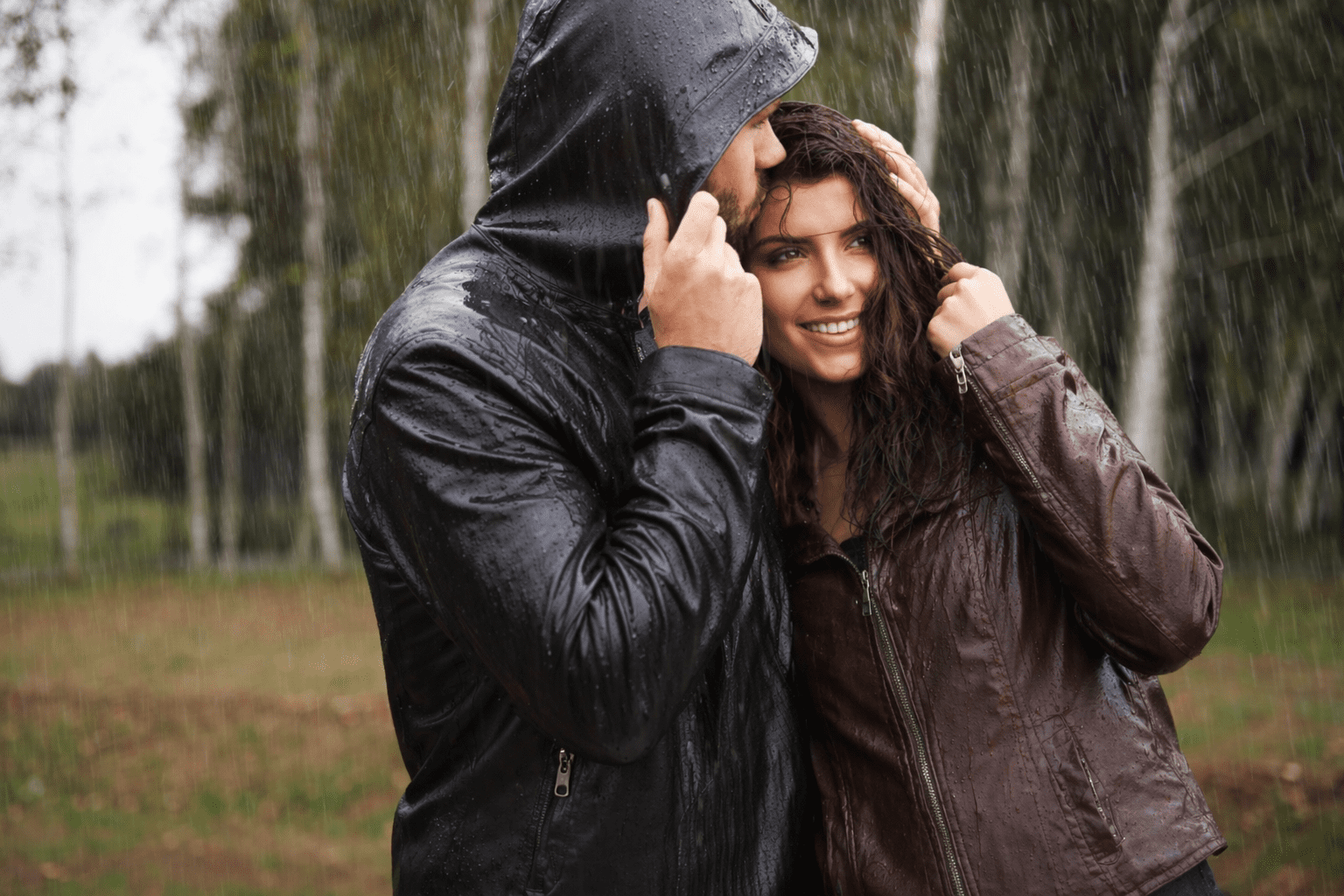
Getting caught in the rain with your favorite leather jacket on is one of those things that makes your stomach drop a little. One minute the sky looks clear, and the next you’re watching raindrops bead up (or worse, soak right in) on the shoulders and sleeves.
Here’s what you need to hear: a little rain won’t destroy a leather jacket. But how you handle it in the next few hours matters more than most people realize. Before worrying about permanent damage, take a moment to understand how leather actually responds to rain by reading the following guide.
How Leather Naturally Reacts to Water Exposure
If your first instinct when rain hits your jacket is to panic, that’s completely understandable. Leather just feels like the kind of material that shouldn’t get wet. But it’s actually more resilient than it looks, and knowing what’s happening inside the material makes the whole thing a lot less stressful.
Leather is made from animal hide, which has tiny pores. When rain lands on the surface, a small amount of moisture seeps in, and that’s normal. What keeps leather soft and flexible are the natural oils built into the fibers. Think of them as the built-in conditioning system of the material. A little rain shakes things up temporarily, but it doesn’t automatically break anything.
Here’s what you’ll typically notice in the moment:
- The surface darkens where rain hits. That’s just how wet leather reflects light differently from dry leather. In most cases, it fades back to normal as the jacket dries.
- The leather feels a little softer or more pliable while damp. Moisture loosens the fibers slightly. Once everything dries out, it firms back up.
So, a brief encounter with rain? Usually just a temporary change, not permanent damage.
What You Might Notice After Your Jacket Dries
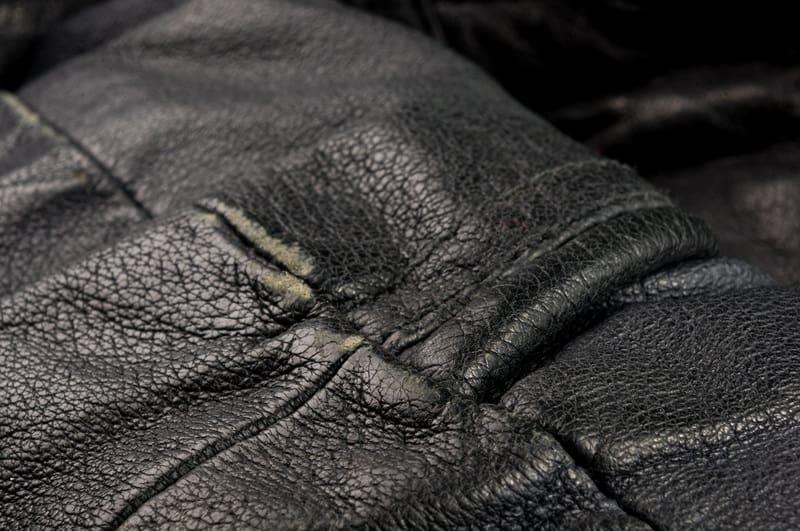
Once your jacket dries, you might spot a few changes that weren’t there before. Maybe there are faint water marks on the surface. Maybe the leather feels a little stiffer than it used to. If you see this for the first time, it can be alarming — but these are actually pretty common reactions to how leather dries after absorbing moisture.
Quick note if your jacket is suede or nubuck: those materials tend to show water damage faster and more noticeably than smooth leather. If that’s what you have, give it a little extra attention after any rain exposure.
For smooth leather, here’s what’s behind what you see:
- Water spots. When moisture dries unevenly across the surface, it can leave behind faint mineral marks. These are usually cosmetic, not permanent damage.
- Stiffness. As water evaporates, the fibers contract, and the natural oils can shift around in the process. The result is leather that feels firmer than usual until the oils redistribute and the material settles back in.
The good news is most of these changes are reversible – either on their own as the jacket fully dries, or with leather conditioning.
When Rain Actually Becomes a Problem
A quick drizzle is rarely a disaster. The trouble starts when the jacket absorbs a lot of water and stays wet for too long; that’s when the natural oils we mentioned earlier really start to get pushed out of balance.
Watch out for these situations:
- Getting fully soaked. Full saturation means the leather has absorbed far more moisture than it’s used to handling at once. This is when the oils get seriously disrupted, and the material starts to lose its natural flexibility.
- Staying damp for too long. Leaving a wet jacket folded up, stuffed in a bag, or locked in a closet traps moisture inside. That’s when you start getting uneven drying and stubborn stiffness that doesn’t go away on its own.
- Drying it too fast. Blasting it with a hair dryer or setting it near a heater might seem like the perfect fix, but fast heat strips those natural oils, which can lead to cracking or brittleness over time.
The rain itself isn’t really the problem here. It’s what happens, or doesn’t happen, afterward.
What to Do Immediately After Getting Caught in the Rain
The steps you take in the first hour or two after your jacket gets wet make a bigger difference than most people realize. The good news: there’s nothing complicated about it. You basically just give the leather the time and space to dry on its own terms.
- Blot, but don’t rub. Use a soft cloth or towel to lightly dab off the excess water. Rubbing pushes moisture deeper into the leather and can cause the surface to scuff.
- Hang it on a wide hanger. This keeps intact the shape of the jacket as it dries and prevents creasing in the shoulders. A flimsy wire hanger won’t cut it here.
- Let it air dry at room temperature. Find a spot with decent airflow and let the jacket dry slowly and evenly. A well-ventilated room works great.
- Keep it away from direct heat. No hair dryers, no radiators, no sunny windowsills. Slow drying is what protects those natural oils and keeps the leather from getting brittle.
- Condition once it’s fully dry. Once the leather dries completely, apply a leather conditioner. This helps restore the moisture balance and keeps the material from drying out or cracking down the road. It’s a small step that makes a big difference over the life of the jacket.
Heads up for the rainy season: If you know wet weather is on the way, a leather protectant spray applied beforehand can go a long way in preventing water from soaking in as deeply.
When to Call a Professional
Most of the time, the steps above are all you need. The jacket dries, you condition it, and it goes right back to looking and feeling like itself.
But sometimes that’s not how it goes. If your jacket has visible water spots that won’t fade, dullness or discoloration across the surface, or stiffness that persists even after conditioning, that’s when it’s worth entrusting it to a professional Leather Cleaning Service. Some moisture damage sets in deeper than home care can reach.
Here’s what a leather care specialist can do that you can’t replicate at home:
- Deep cleaning without stripping. Professionals use solutions designed specifically for leather that remove water residue and buildup without drying out the material.
- Reconditioning from the inside out. Conditioning treatments work at the fiber level to restore what moisture has displaced, not just on the surface.
- Color and texture correction. If water leaves uneven tones or dull patches, a technician can rebalance the finish so the jacket looks like itself again.
Even jackets that take a serious soaking can often be brought back to their original softness and look. The key is not letting the damage sit too long.
Got Caught in the Rain? Let Clean’n’Press Take It From Here!
Your jacket’s been through enough, so don’t let water damage sit. If it’s showing spots, stiffness, or just doesn’t look quite right, bring it in, and we’ll take care of it. Scheduling takes only a few minutes.
The sooner you bring it in, the easier it is to restore, and the longer your jacket will last.
- Schedule online: cleannpress.smrtapp.com
- Call us: 651-413-3701
- Serving: The Twin Cities Area
0 Comments